Yale Schwarzman Center, April 2026
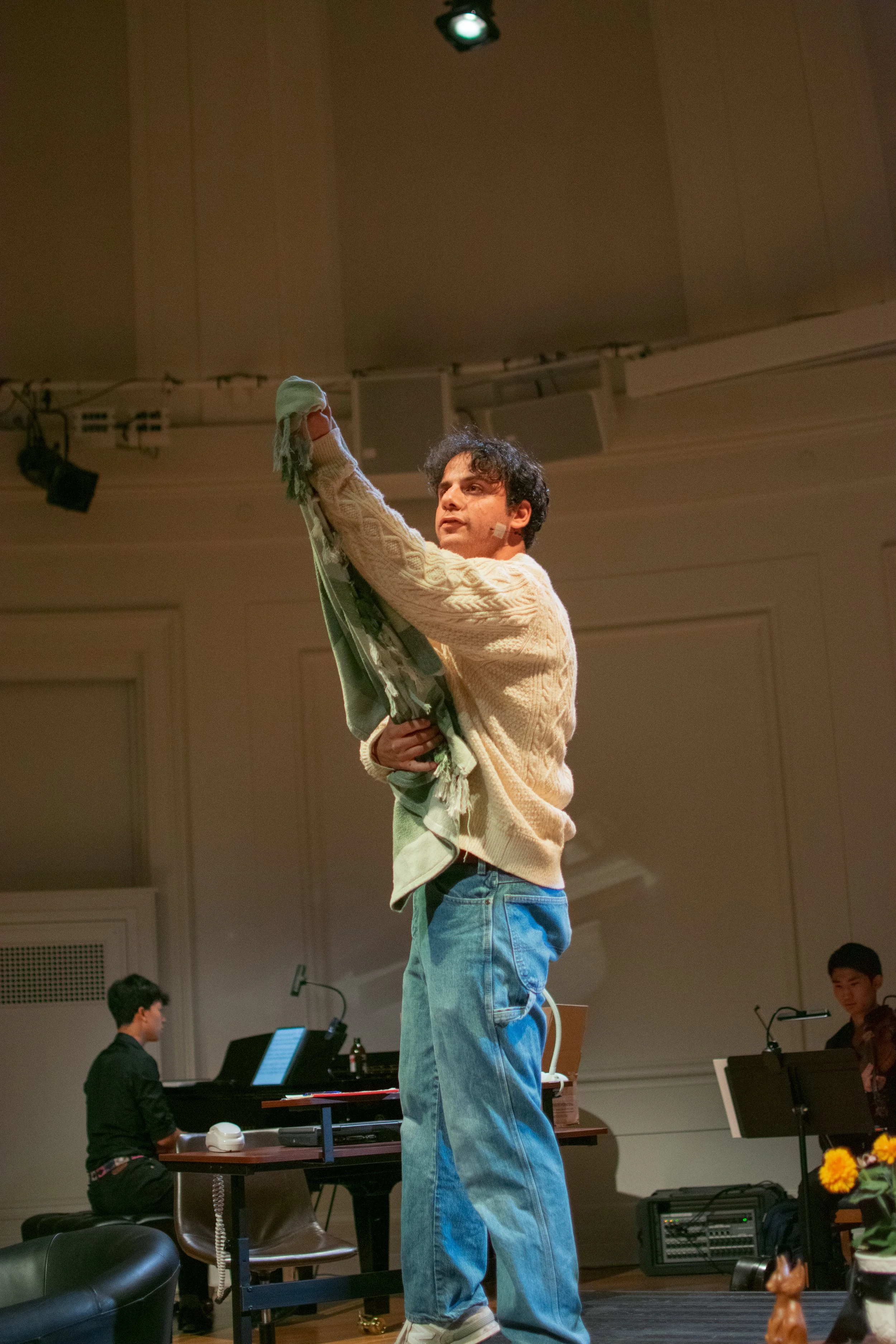
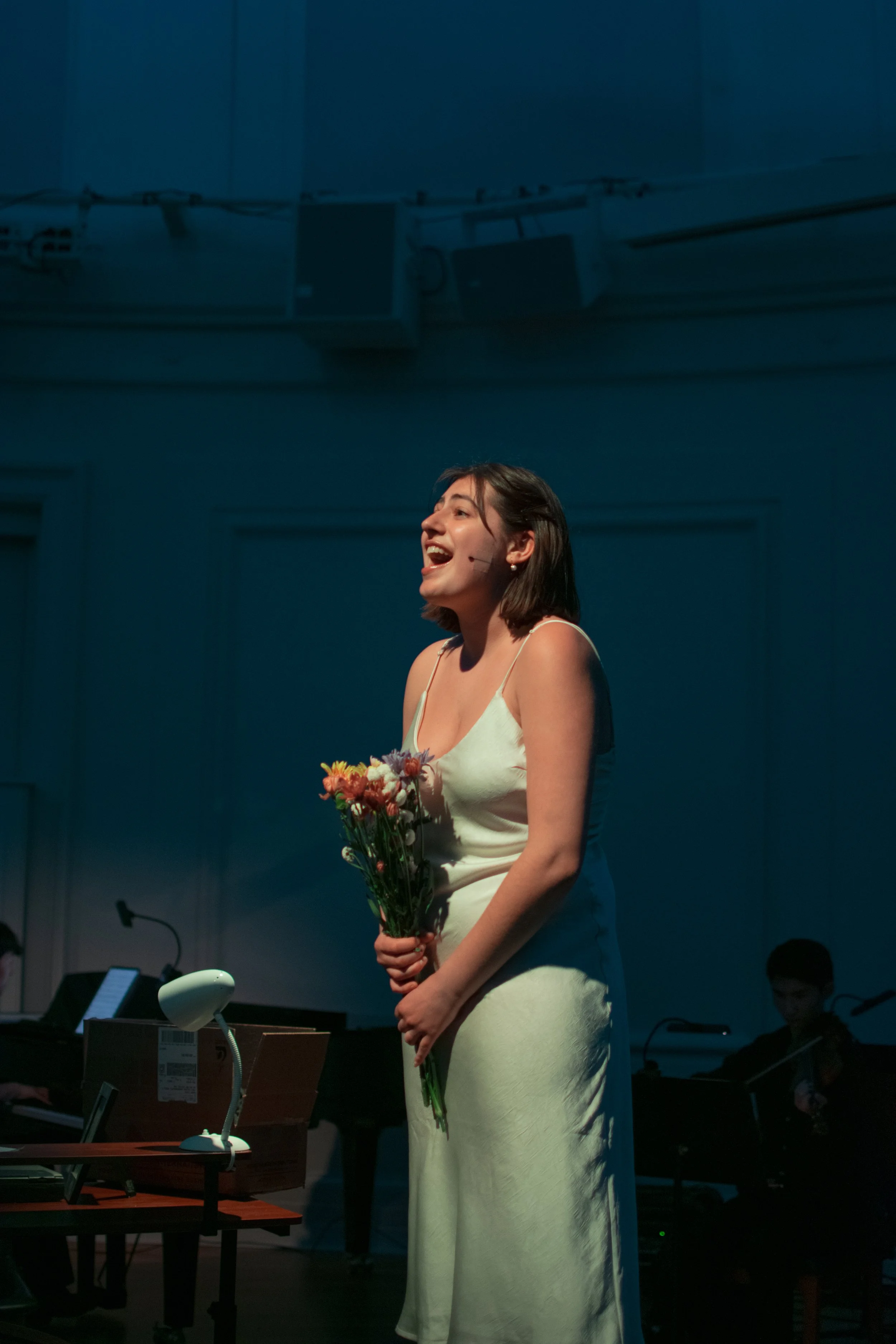
The Last Five Years
Director’s Note
T.S. Eliot famously called April the cruellest month and Alex Dimitrov said Spring arrives regardless. I'm no poet, but I did learn about seasonal depression when I moved from perpetually sunny California to the moodier New Haven, Connecticut for college. I learned how seasons can rearrange your inner life, that after the reckless, sugar-rushed decision-making of Halloween comes the cold, and with it a permission to hibernate with your angst and heartbreak. Spring arrives like clockwork, with equal cruelty and inevitability. Sometimes the sun evaporates my problems and I am magically made whole and happy. Some years, though, on that one day when everyone abandons their coats and coalesces on Cross Campus, I feel like the weather is taunting me.
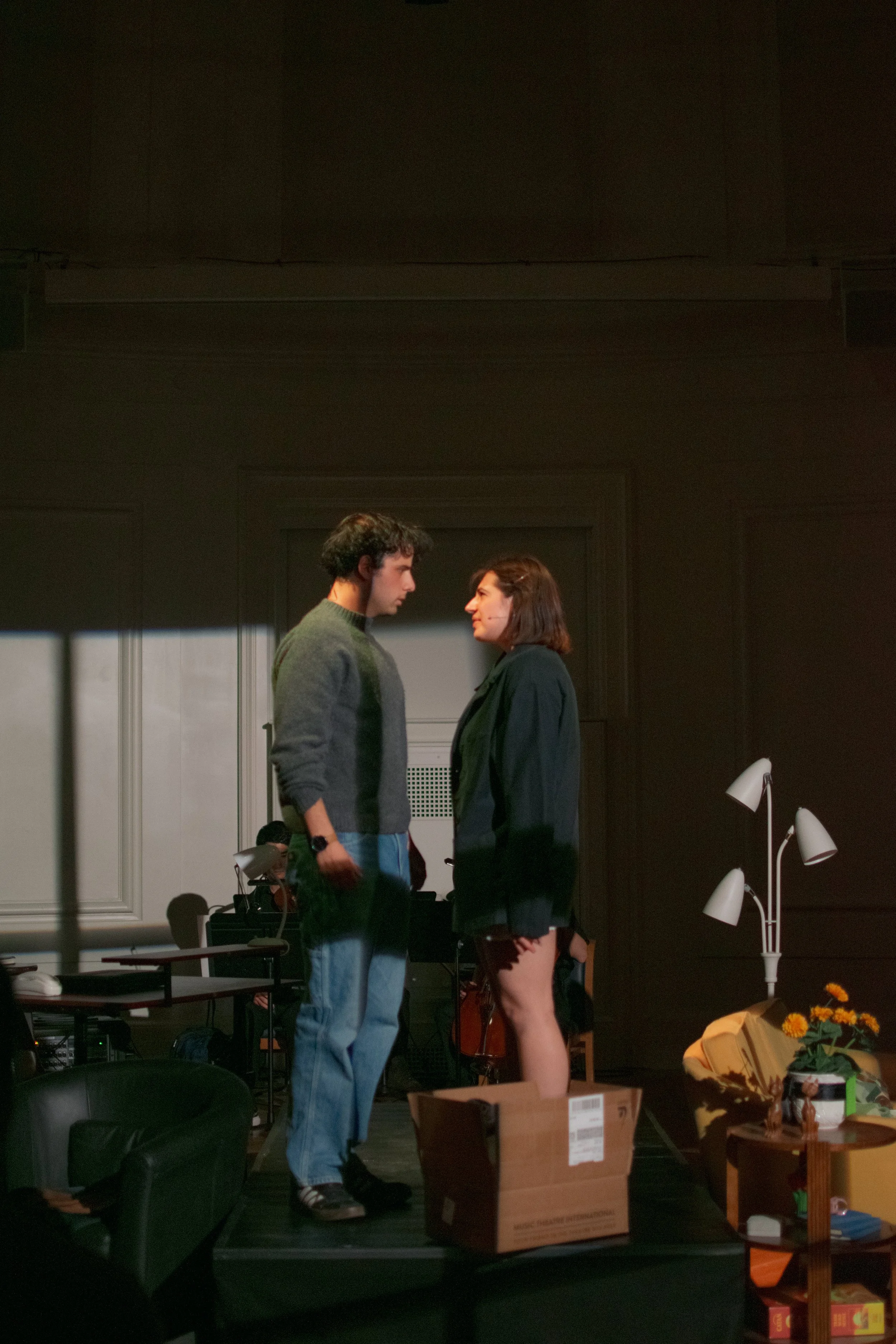
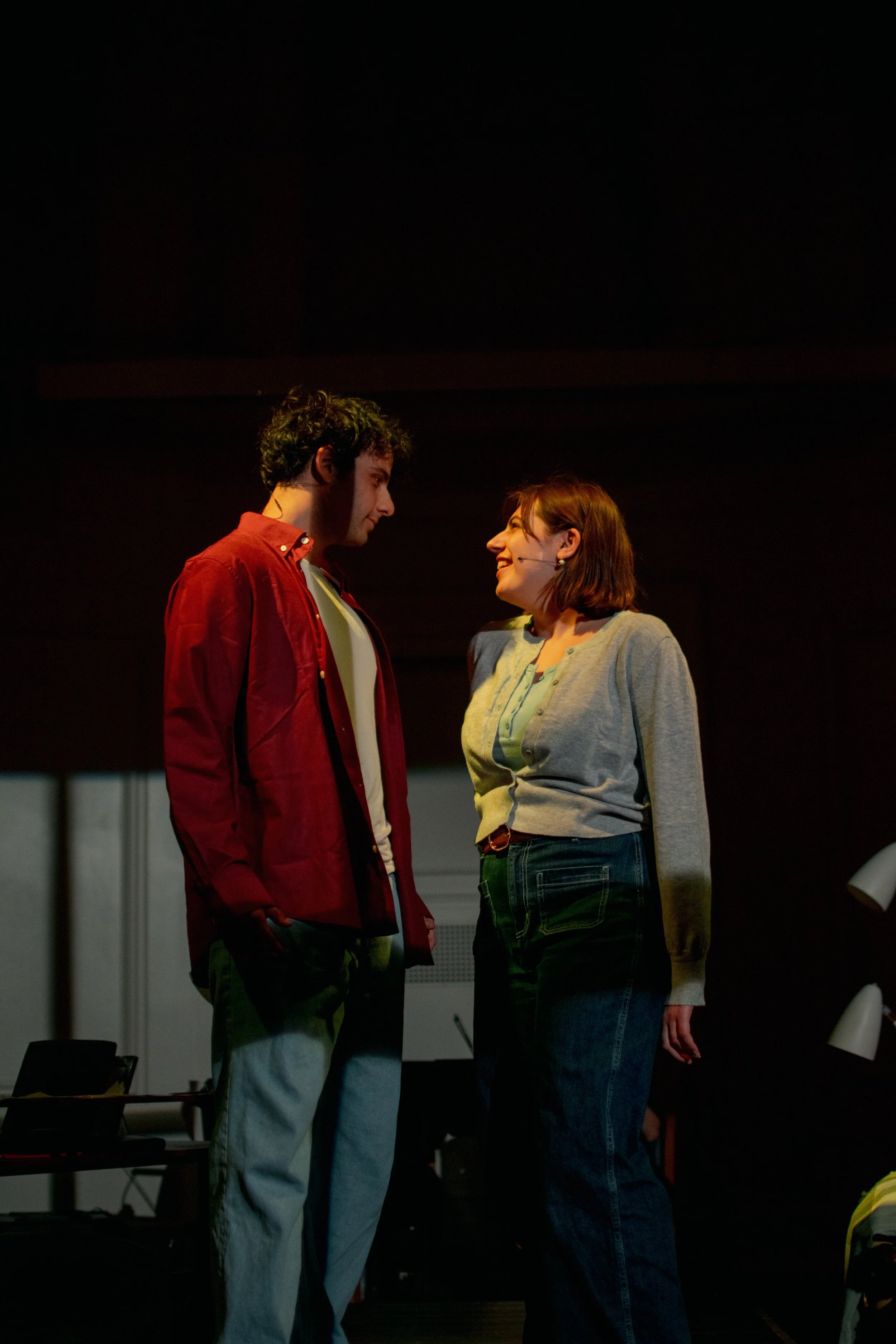
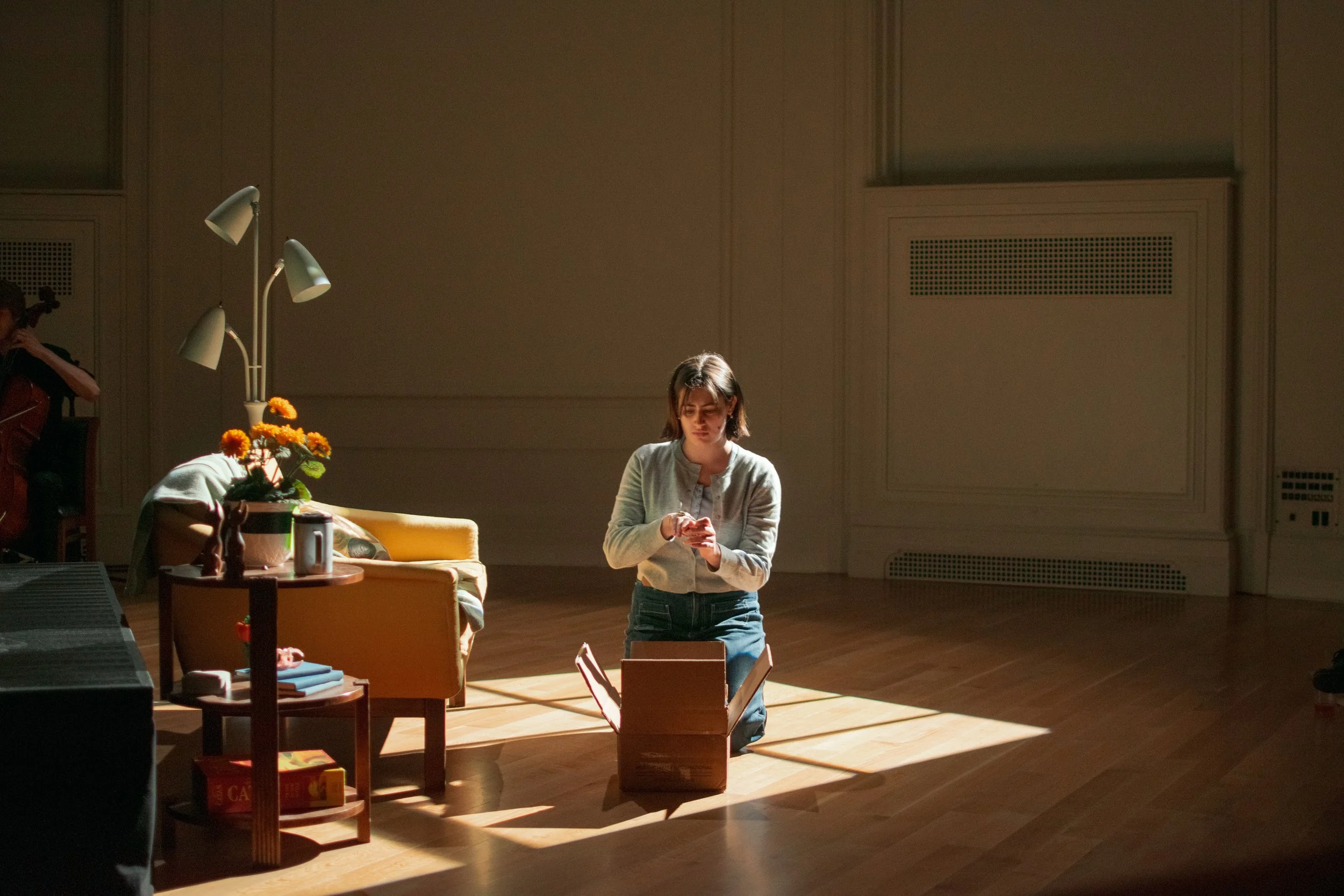
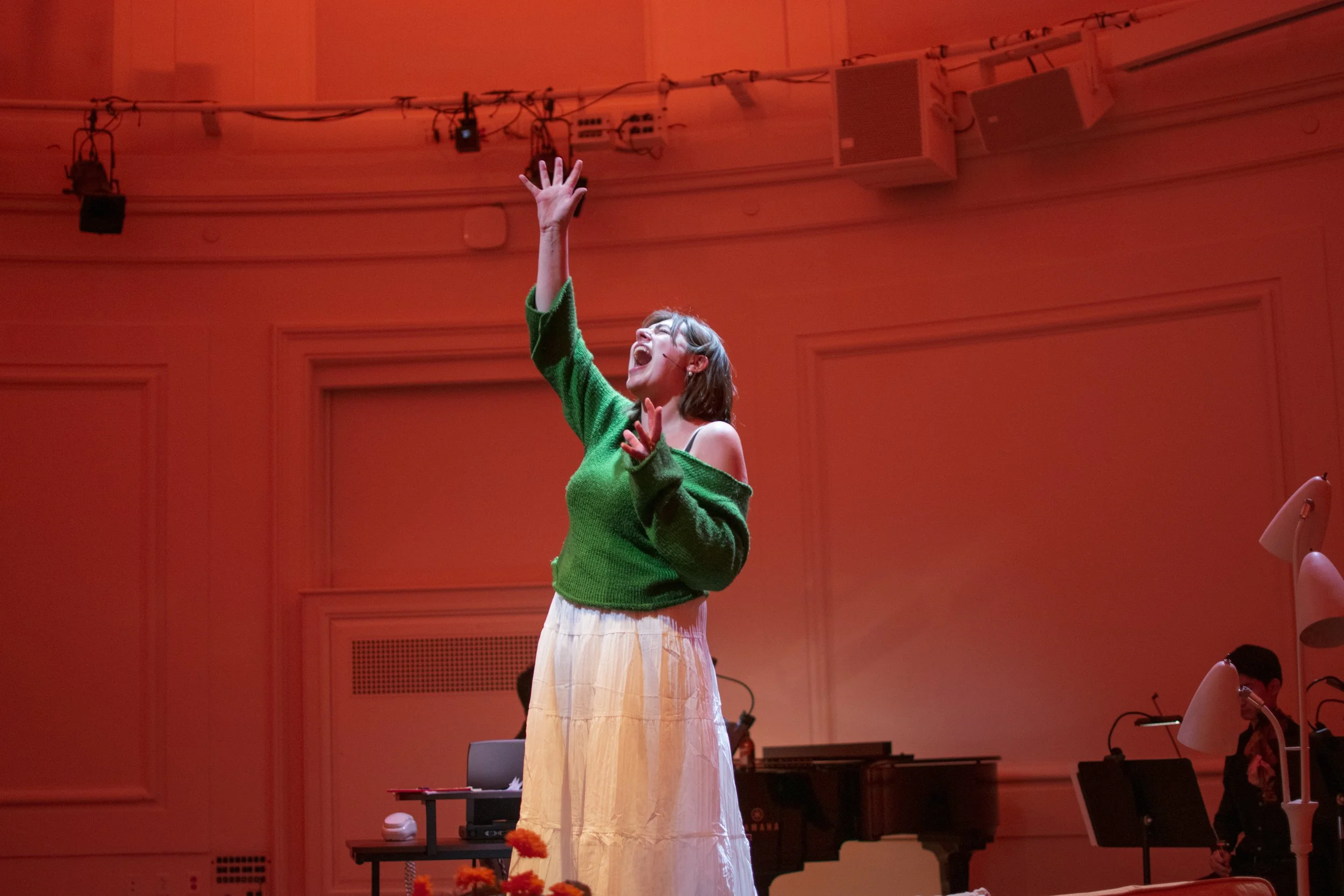
The Last Five Years works the same way. Its central formal innovation is time: Cathy narrates the relationship backward, while Jamie tells it chronologically. I think of this as structural dissent—Jason Robert Brown fractures time so that sadness and happiness, guilt and pride, betrayal and loyalty bleed into each other, each made more complex by the presence of the other. It puts the show in canonical lineage with musicals I love: Company, Maybe Happy Ending, 36 Questions. The chronological pattern creates an emotional whiplash that reminds me of the change of seasons, abrupt but comfortingly inevitable. Like the first day of Spring, this musical holds cynical, heteropessimist sentiment and the idealistic rom-com first date in every lingering moment.
More than once during my time at Yale I thought: I like this musical, I want to direct it. Every time, I was quickly inundated with support from friends, professors, Saybrook College, the Schwarzman Center, the Yale Dramatic Association, and more. Making this show has felt indulgently selfish, and I feel so fulfilled to be ending my time at Yale here. These are the best collaborators, and I am lucky to have been part of this community for four years. 磊